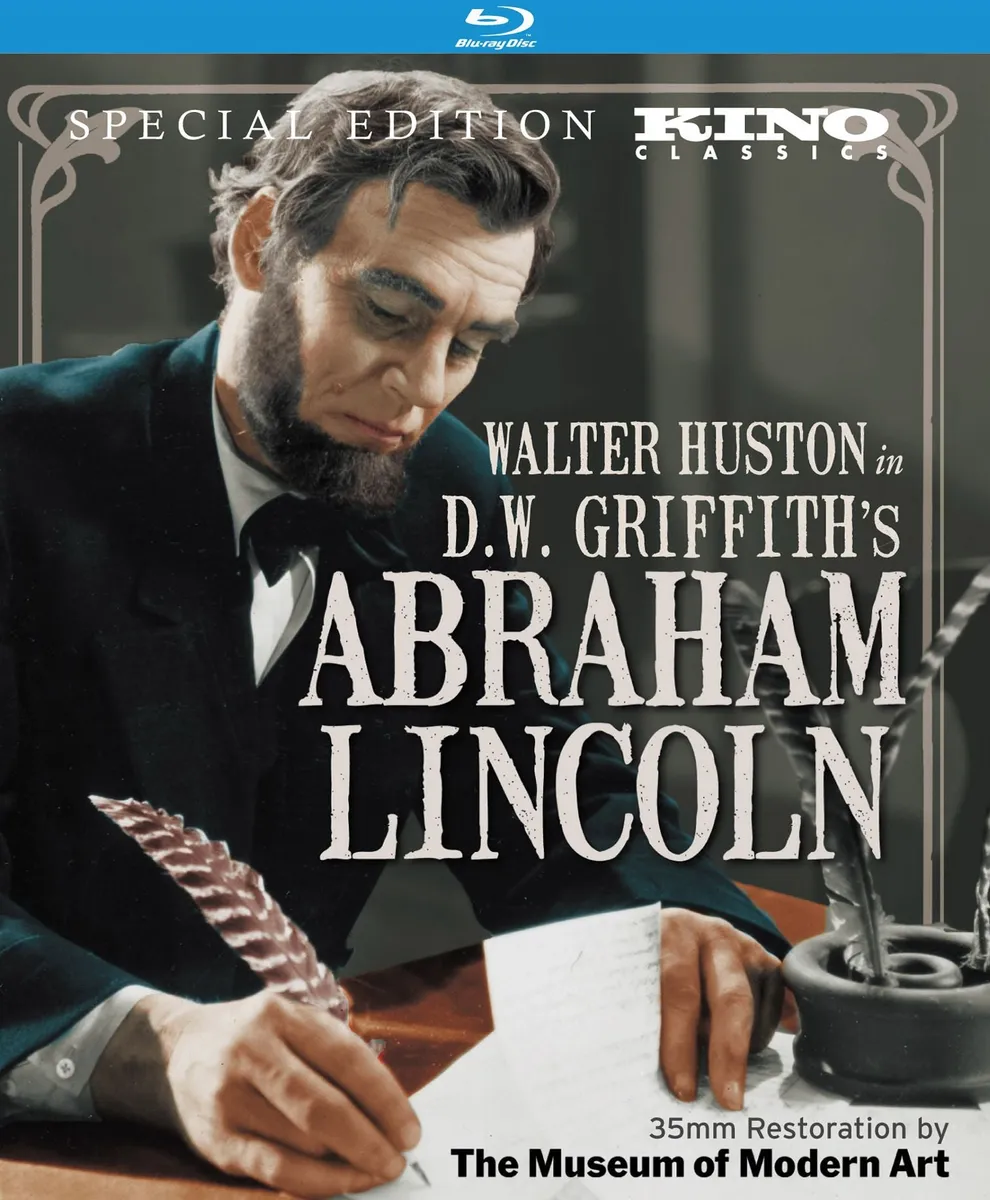
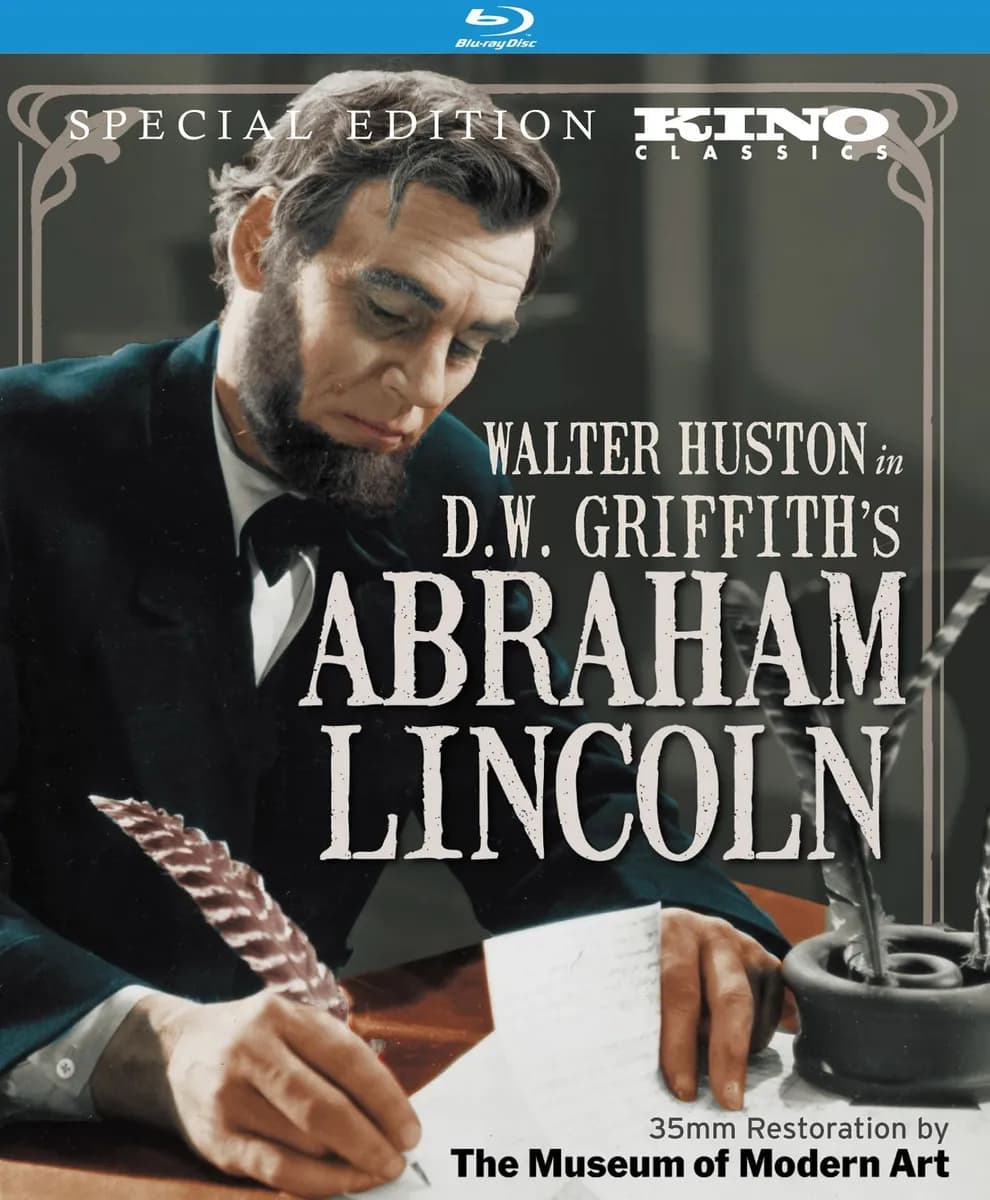
About this release
To date, this D.W. Griffith epic is the only talking-picture effort to encapsulate the entire life of Abraham Lincoln, from cradle to grave. The script, credited to Stephen Vincent Benet, manages to include all the familiar high points, including Lincoln's tragic romance with Ann Rutledge (Una Merkel, allegedly cast because of her resemblance to Griffith favorite Lillian Gish), his lawyer days in Illinois, his contentious marriage to Mary Todd (Kay Hammond), his heartbreaking decision to declare war upon the South, his pardoning of a condemned sentry during the Civil War, and his assassination at the hands of John Wilkes Booth (expansively portrayed by Ian Keith). This was D.W. Griffith's first talkie, and the master does his best with the somewhat pedantic dialogue sequences; but as always, Griffith's forte was spectacle and montage, as witness the cross-cut scenes of Yankees and Rebels marching off to war and the pulse-pounding ride of General Sheridan (Frank Campeau) through the Shenandoah Valley. Thanks to the wizardry of production designer William Cameron Menzies, many of the scenes appear far more elaborate than they really were; Menzies can also be credited with the unforgettable finale, as Honest Abe's Kentucky log cabin dissolves to the Lincoln Memorial. As Abraham Lincoln, Walter Huston is a tower of strength, making even the most florid of speeches sound human and credible; only during the protracted death scene of Ann Rutledge does Huston falter, and then the fault is as much Griffith's as his. Road-shown at nearly two hours (including a prologue showing slaves being brought to America), Abraham Lincoln was pared down to 97 minutes by United Artists, and in that length it proved a box-office success, boding well for D.W. Griffith's future in talkies (alas, it proved to be his next-to-last film; Griffith's final effort, The Struggle was a financial disaster).
Where to buy
As an Amazon Associate and eBay Partner Network member, FilmShelves earns from qualifying purchases. These links may earn us a commission at no extra cost to you.
Disc 1
BD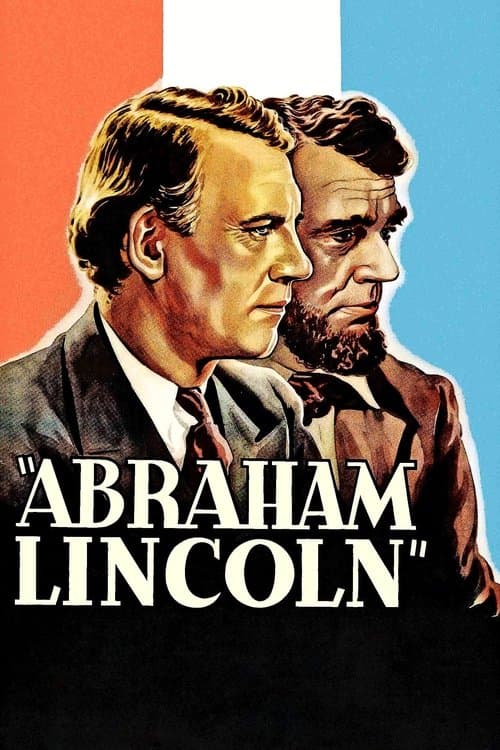
Abraham Lincoln (1930)
83 min
HistoryDrama
A biopic dramatizing Abraham Lincoln's life through a series of vignettes depicting its defining chapters: his romance with Ann Rutledge; his early years as a country lawyer; his marriage to Mary Todd; his debates with Stephen A. Douglas; the election of 1860; his presidency during the Civil War; and his assassination in Ford’s Theater in 1865.
Credits
Director
D.W. Griffith
Cast
Walter Hustonas Abraham Lincoln
Una Merkelas Ann Rutledge
William L. Thorneas Tom Lincoln
Lucille La Verneas Mid-Wife
Helen Freemanas Nancy Hanks Lincoln
Otto Hoffmanas Offut
Edgar Dearingas Armstrong
Russell Simpsonas Lincoln's Employer
Charles Crockettas Sheriff
Kay Hammondas Mary Todd Lincoln
Cinematographer
Karl Struss
Editor
James Smith
Producer
Joseph M. Schenck
Release Details
- Packaging
- Blu-ray Case
Images
Catalogue Info
- Added by
- Matthew Simpson
- Date added
- July 2, 2026