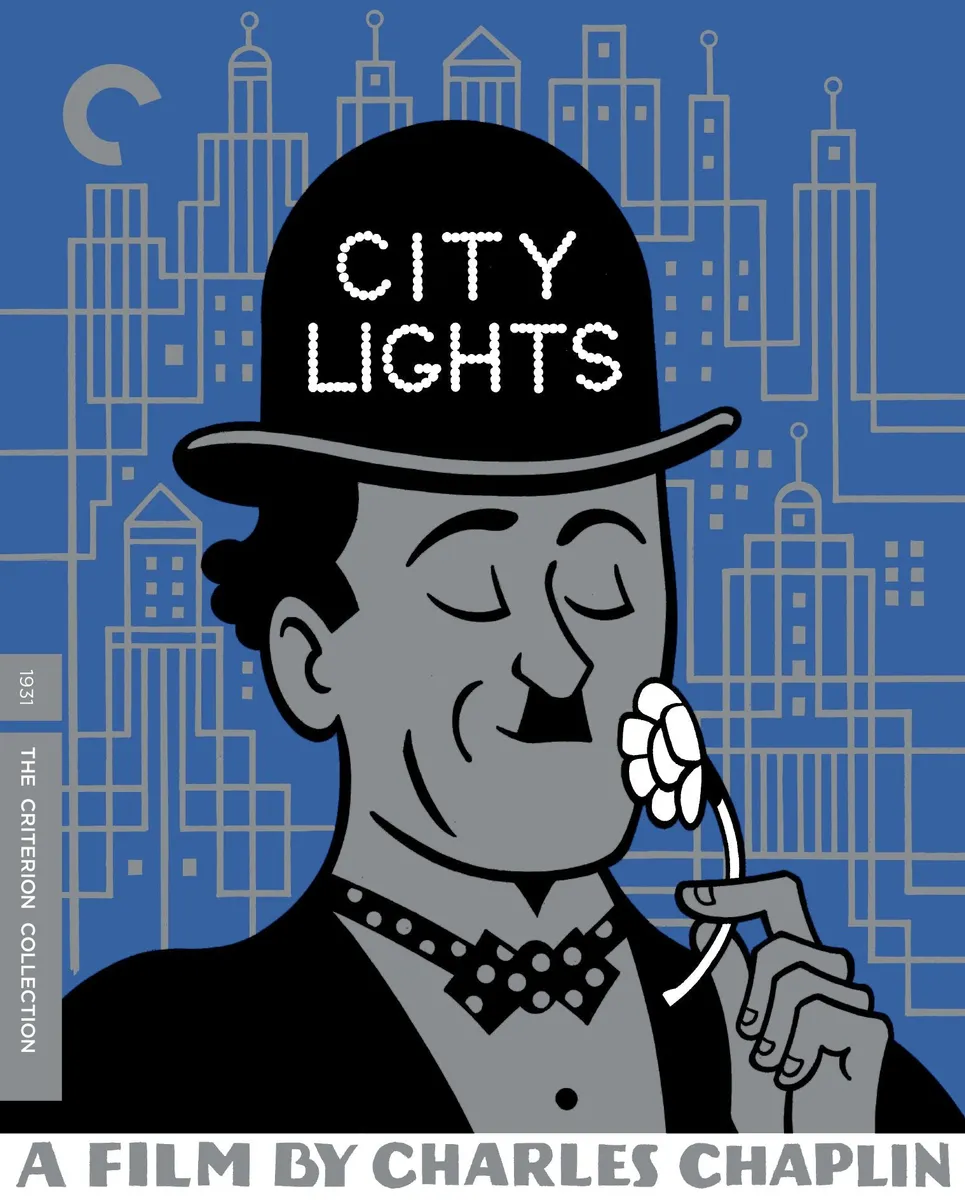
About this release
"Charles Chaplin was deep into production of his silent City Lights when Hollywood was overwhelmed by the talkie revolution. After months of anguished contemplation, Chaplin decided to finish the film as it began--in silence, save for a musical score and an occasional sound effect. Once again cast as the Little Tramp, Chaplin makes the acquaintance of a blind flower girl (Virginia Cherrill), who through a series of coincidences has gotten the impression that the shabby tramp is a millionaire. A second storyline begins when the tramp rescues a genuine millionaire (Harry Myers) from committing suicide. When drunk, the millionaire expansively treats the tramp as a friend and equal; when sober, he doesn't even recognize him. The two plots come together when the tramp attempts to raise enough money for the blind girl to have an eye operation. Highlights include an extended boxing sequence pitting scrawny Chaplin against muscle-bound Hank Mann, and the poignant final scene in which the now-sighted flower girl sees her impoverished benefactor for the first time. Chaplin's decision to release the silent City Lights three years into the talkie era was partially vindicated when more than one critic singled out this ""comedy in pantomime"" as the best picture of 1931."
Where to buy
As an Amazon Associate and eBay Partner Network member, FilmShelves earns from qualifying purchases. These links may earn us a commission at no extra cost to you.
Disc 1
BD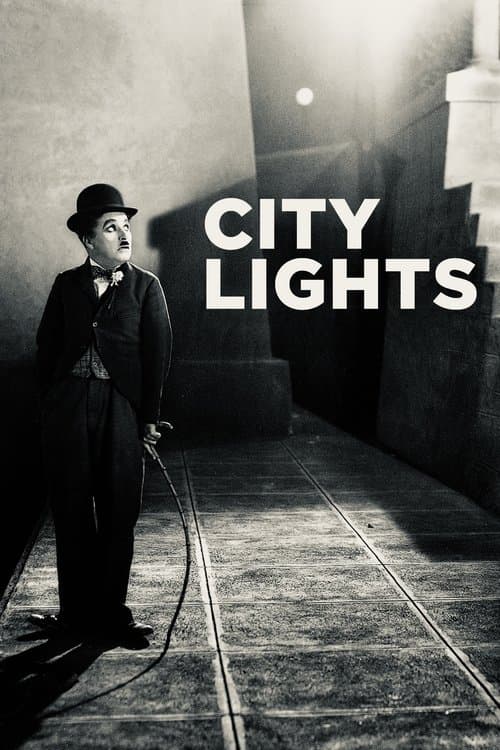
City Lights (1931)
87 min
DramaComedyRomance
A tramp falls in love with a beautiful blind flower girl. His on-and-off friendship with a wealthy man allows him to be the girl's benefactor and suitor.
Credits
Director
Charlie Chaplin
Writer
Harry Crocker
Harry Carr
Charlie Chaplin
Cast
Charlie Chaplinas A Tramp
Virginia Cherrillas A Blind Girl
Florence Leeas Her Grandmother
Harry Myersas An Eccentric Millionaire
Al Ernest Garciaas His Butler
Hank Mannas A Prizefighter
Albert Austinas Street Sweeper / Burglar (uncredited)
Eddie Bakeras Boxing Fight Referee (uncredited)
Henry Bergmanas Mayor / Blind Girl's Downstairs Neighbor (uncredited)
Buster Brodieas Bald Party Guest (uncredited)
Cinematographer
Roland Totheroh
Gordon Pollock
Composer
Charlie Chaplin
Editor
Charlie Chaplin
Willard Nico
Producer
Charlie Chaplin
Images
Release Details
- Packaging
- Blu-ray Case
Catalogue Info
- Added by
- Matthew Simpson
- Date added
- June 10, 2026