About this release
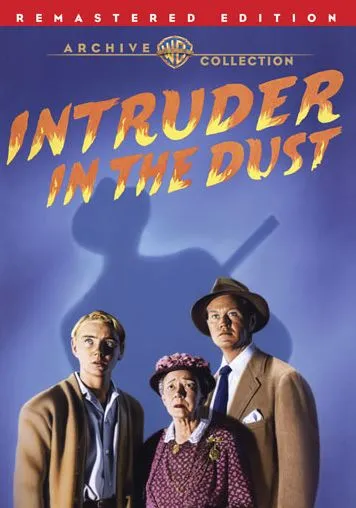
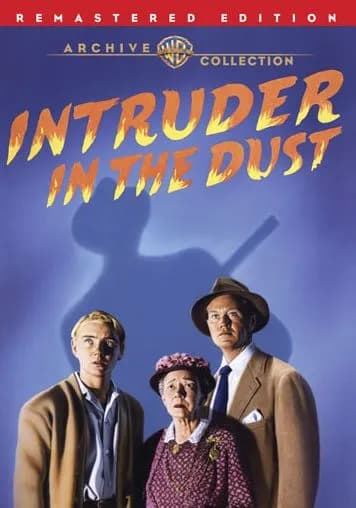
Intruder in the Dust is one of the best of Hollywood's postwar "racial tolerance" cycle--a cycle that would come to an abrupt end in the politically paranoid 1950s. Based on a novel by William Faulkner, the film takes place in a small Mississippi town (it was filmed on location in and around Oxford, MS). Juano Hernandez plays an African-American landowner who is arrested on a murder charge. Resentful of Hernandez' industriousness, the white townsfolk are eager to see him hang. David Brian, the attorney uncle of a young white boy (Claude Jarman Jr.) who has befriended Hernandez, agrees to take the accused man's case. His job is complicated by the lynch-mob mentality fomented by the dead man's brother (Charles Kemper) and Hernandez' refusal to reveal the name of the man he suspects as the killer. The hostile atmosphere reaches a fever pitch, but justice is ultimately served. Intruder in the Dust stands out among other films of its period with its refusal to stoop to any form of condescension towards its black characters or to rationalize the behavior of the bigots. Though produced by MGM, the film wisely displays none of that studio's patented glossiness, opting instead for a dusty, sun-scorched, fleabitten veneer that enhances the film's basic realism.
Where to buy
As an Amazon Associate and eBay Partner Network member, FilmShelves earns from qualifying purchases. These links may earn us a commission at no extra cost to you.
Disc 1
DVD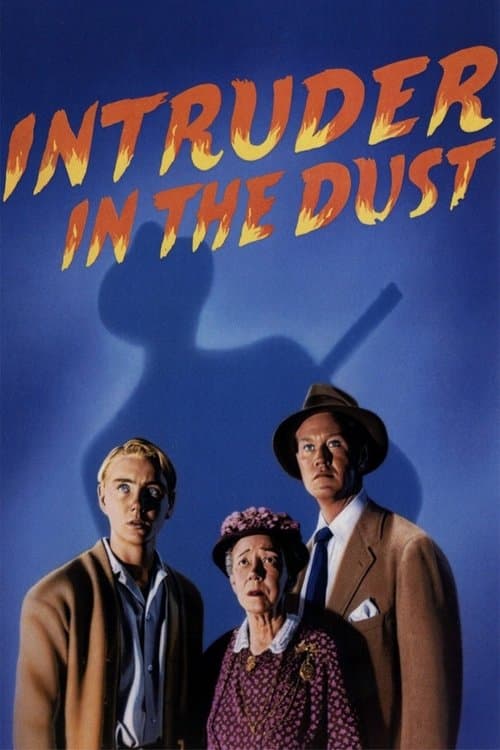
Intruder in the Dust (1949)
87 min
CrimeMysteryDrama
Rural Mississippi in the 1940s: Lucas Beauchamp, a local black man with a reputation of not kowtowing to whites, is found standing over the body of a dead white man, holding a pistol that has recently been fired. Quickly arrested for murder and jailed, Beauchamp insists he's innocent and asks the town's most prominent lawyer, Gavin Stevens, to defend him, but Stevens refuses. When a local boy whom Beauchamp has helped in the past and who believes him to be innocent hears talk of a mob taking Beauchamp out of jail and lynching him, he pleads with Stevens to defend Beauchamp at trial and prove his innocence.
Credits
Director
Clarence Brown
Writer
Ben Maddow
Cast
David Brianas John Gavin Stevens
Claude Jarman Jr.as Chick Mallison
Juano Hernándezas Lucas Beauchamp
Porter Hallas Nub Gowrie
Elizabeth Pattersonas Miss Eunice Habersham
Charles Kemperas Crawford Gowrie
Will Geeras Sheriff Hampton
David Clarkeas Vinson Gowrie
Elzie Emanuelas Aleck
Lela Blissas Mrs. Mallison
Cinematographer
Robert Surtees
Composer
Adolph Deutsch
Editor
Robert Kern
Producer
Clarence Brown
Release Details
- Packaging
- Keep Case
Images
Catalogue Info
- Added by
- Matthew Simpson
- Date added
- July 1, 2026