About this release
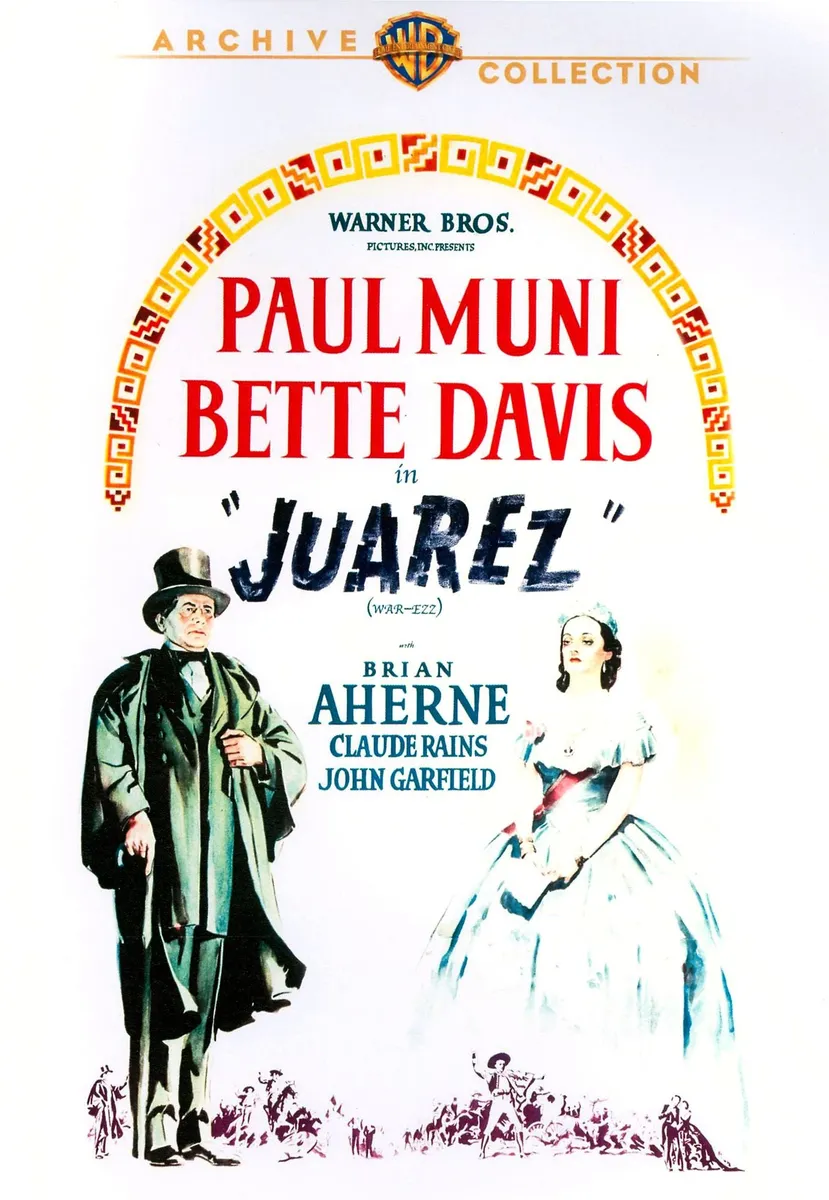
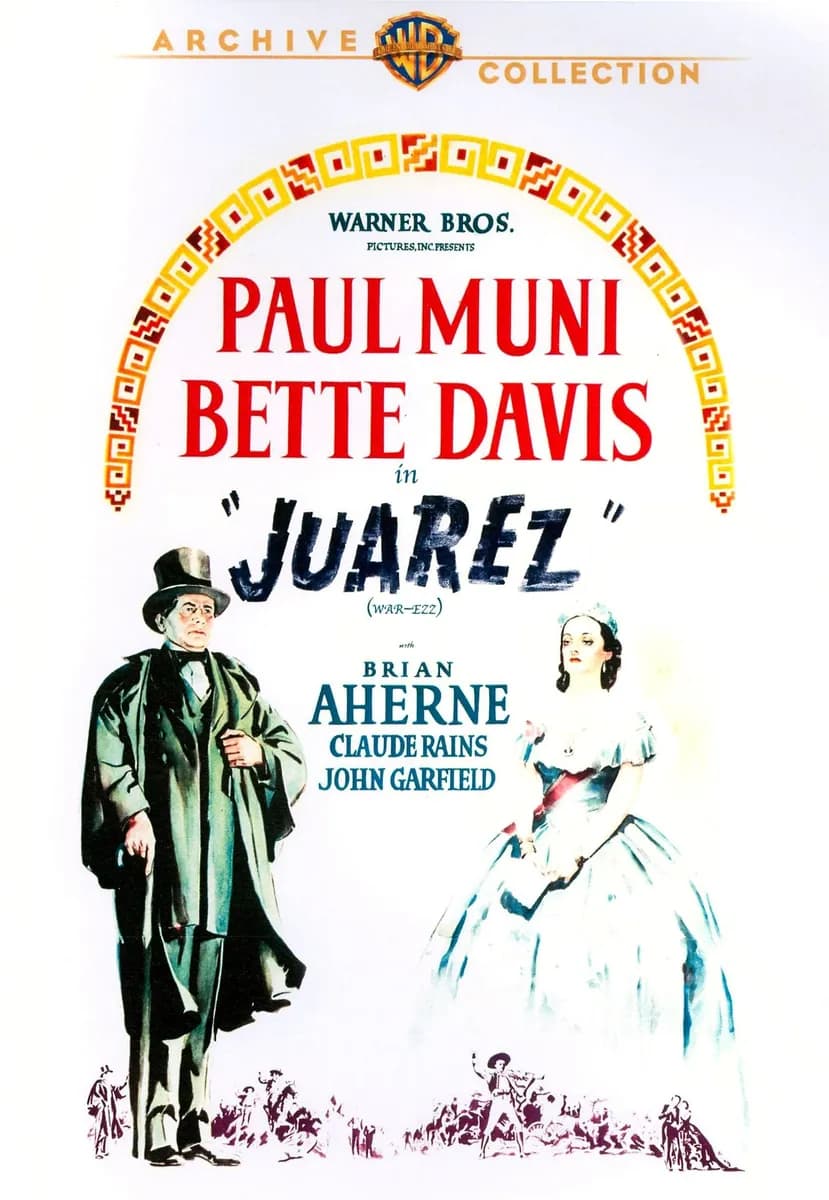
Juarez was originally designed to concentrate almost exclusively on the tragedy of Hapsburg Emperor Maximillian, whose attempts to establish a puppet government in Mexico on behalf of Napoleon III ended in disaster and death. But when Paul Muni decided that he wanted to play Zapotec-Indian-turned-Mexican President Benito Pablo Juarez, the film's emphasis perceptibly shifted -- and Bette Davis, cast as Empress Carlotta, was shunted to second billing rather than first. Muni's makeup and costuming convincingly transforms him into Juarez incarnate. But unlike his other historical impersonations (Pasteur, Zola), Muni's Juarez is a one-note characterization: stoic, uncompromising, and v-e-e-r-y slow of speech. Far more exciting dramatically is Bette Davis as Empress Carlotta, whose highly stylized descent into madness is a tour de force both for the actress and for director William Dieterle. Claude Rains and Gale Sondergaard, as Napoleon III and Empress Eugenie, in essence repeat their diabolical characterizations from Anthony Adverse (1936), while John Garfield is singularly miscast as Pofirio Diaz. The best performance is delivered by Brian Aherne, whose kindly, honorable Emperor Maximillian is less a despot than a misguided political pawn. When Aherne, about to be executed at Juarez' orders, requests that his favorite Mexican song "La Paloma" be played as he is led before the firing squad, audience sympathies are 100% in Maximilian's corner--which was not quite what the filmmakers intended. Based largely on Bertita Harding's book The Phantom Crown (the film's original title), Juarez takes every available opportunity to parallel its title character's fight against foreign intervention with the then-current European situation. To protect their investment in Juarez Warner Bros. purchased outright a like-vintage Mexican film on the same subject, The Mad Empress, suppressing the latter film's release in the United States.
Where to buy
As an Amazon Associate and eBay Partner Network member, FilmShelves earns from qualifying purchases. These links may earn us a commission at no extra cost to you.
Disc 1
DVD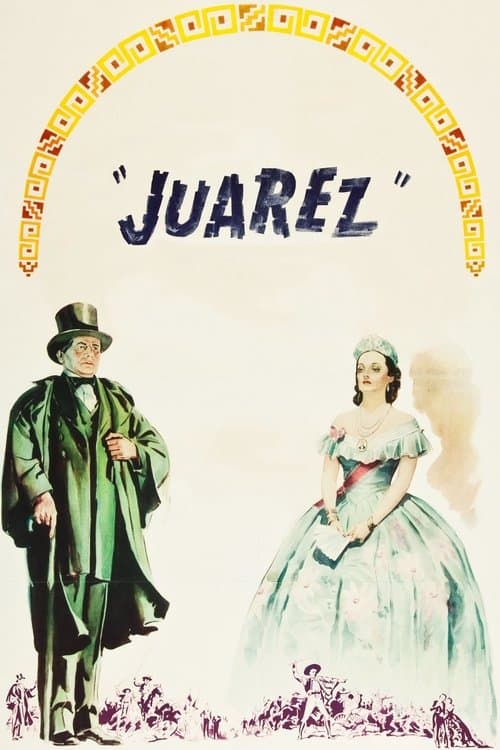
Juarez (1939)
125 min
HistoryDramaRomance
The newly-named emperor Maximilian and his wife Carlota arrive in Mexico to face popular sentiment favoring Benito Juárez and democracy.
Credits
Director
William Dieterle
Writer
John Huston
Æneas MacKenzie
Wolfgang Reinhardt
Cast
Paul Munias Benito Pablo Juárez
Bette Davisas Empress Carlotta von Hapsburg
Brian Aherneas Emperor Maximilian von Hapsburg
Claude Rainsas Emperor Louis Napoleon III
John Garfieldas General Porfirio Diaz
Donald Crispas Maréchal Bazaine
Joseph Calleiaas Alejandro Uradi
Gale Sondergaardas Empress Eugenie
Gilbert Rolandas Colonel Miguel Lopez
Henry O'Neillas General Miguel Miramon
Cinematographer
Tony Gaudio
Composer
Erich Wolfgang Korngold
Editor
Warren Low
Release Details
- Packaging
- Keep Case
Images
Catalogue Info
- Added by
- Matthew Simpson
- Date added
- July 2, 2026