About this release
Nel 1984 Malcolm Morley si impose nella prima edizione del Turner Prize, un riconoscimento di grande prestigio attribuito dalla Tate Gallery di Londra a chi nell'anno precedente si era segnalato maggiormente nel panorama artistico inglese. Questo premio colse di sorpresa m addetti ai lavori, perché Morley era sempre stato per sua precisa volontà un outsider lontano anni luce dagli ambienti artistici tradizionali. Nel 1957 Morley si trasferì negli Stati Uniti, dove condusse una vita estremamente riservata, nutrendo sempre un rapporto di amore-odio per il Regno Unito. Come prevedibile, Morley non si scomodò dal suo nido americano per andare a ritirare il premio e le 10.000 sterline in palio. Sotto il profilo artistico, è quasi impossibile definire Morley come pittore, in quanto fin dall'inizio della sua carriera ha sempre evitato qualsiasi legame con le scuole e gli stili dell'arte contemporanea, per quanto abbia dato un contributo alla formazione e allo sviluppo di molti movimenti artistici. Il famoso critico d'arte Robert Hughes lo ha descritto come "l'artefice di una serie di tecniche che sono state prese a modello da una generazione di artisti". Questo documentario consente di farsi un'idea della personalità e dell'opera di Morley, con lo stesso artista che svela alcune delle caratteristiche salienti del suo stile e viene ritratto al lavoro nel suo atelier di New York.
Where to buy
As an Amazon Associate and eBay Partner Network member, FilmShelves earns from qualifying purchases. These links may earn us a commission at no extra cost to you.
Disc 1
DVD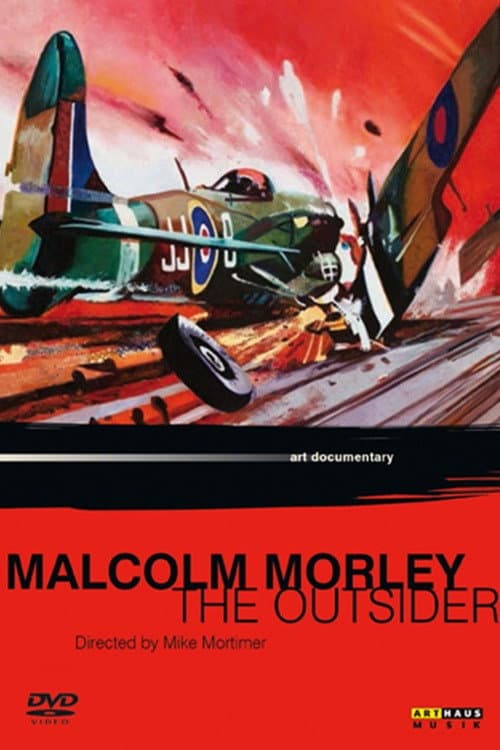
Malcolm Morley: The Outsider (1985)
0
Documentary
“It’s not a natural desire to be a modern artist”. Malcolm Morley In 1984, Malcolm Morley was the first winner of the Tate Gallery’s prestigious award, the Turner Prize, for the year’s major contribution to British art. It came as something of a surprise because he has always been, by his own volition, an outsider who remains aloof from the art world. Since 1957, he has lived a reclusive life in America and harbours ambivalent feelings about his native Britain. Characteristically, he was not there to collect his £10,000 prize. It is impossible to label him as a painter, as he has always avoided association with the schools and styles of contemporary art, though he seems to have pioneered many of them. Art critic Robert Hughes calls him, “the man whose methods have been relentlessly plundered by a generation of artists.” This programme looks at Morley and his work. He talks at length about his art and is seen at work in his New York studio.
Credits
Director
Mike Mortimer
Cast
Malcolm Morleyas Self
Images
Catalogue Info
- Added by
- Matthew Simpson
- Date added
- August 2, 2026