About this release
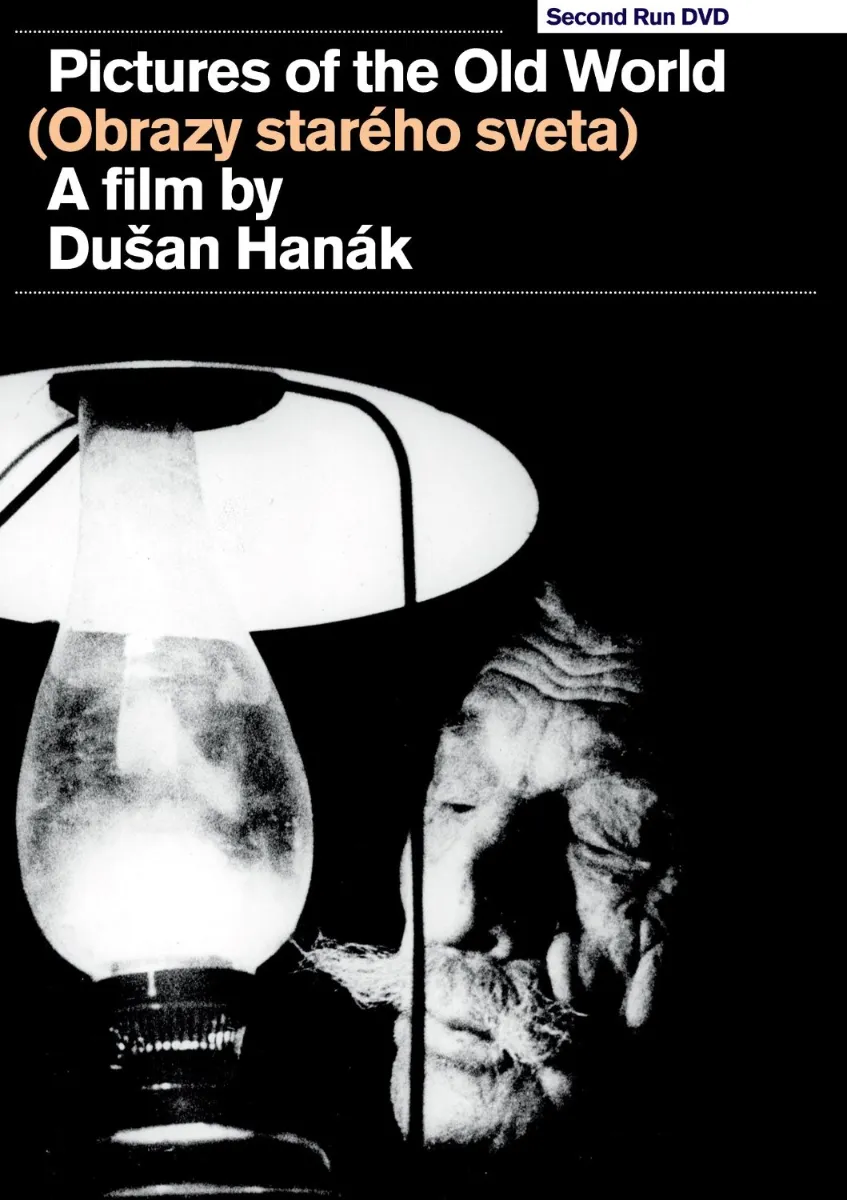
Directed by Dusan Hanák Dusan Hanák's renowned film (voted the best Slovak film of all time by critics in 2000) is a poetic visual essay on the forgotten peoples of remote villages in the Tatra Mountains. Inspired by the photographs of Slovak artist Martin Martinek , whose pictures distilled entire lifetimes into luminous, intransient images, Hanák creates his own distinctive impressions of the artist's work, crafting a polyphony of human stories. The film documents the lives of nine older people. The textures of faces, of hands, and of landscape predominate alongside an obstinate vitality and desire for life. At odds with the Communist propaganda of the time, its depiction of poverty punctuated with alcoholism, religion, and the hardships of the subjects lives, resulted in the film being withdrawn from release. Condemned for its aesthetics of 'ugliness', the film remained banned for many years. However, Hanák's film is not a polemical film. It attempts to address fundamental levels of human experience - its power and beauty lies in its tender studying of a people who seem to have been forgotten by their society.
Disc 1
DVD
Pictures of the Old World (1972)
64 min
Documentary
A raw and telling portrait of a people left behind by the modern world, inspired by the work of photographer Martin Martinček - whose pictures of the inhabitants of the Liptov region in central Slovakia, encompassed by the Tatra mountains, distilled entire lifetimes into luminous and intransient images. Dušan Hanák's continuation of these photographs takes the shape of a poetic visual essay, capturing more comprehensive vignettes of their isolated human experiences.
Credits
Director
Dušan Hanák
Writer
Dušan Hanák
Cast
Ladislav Chudíkas Narrator
Editor
Alfréd Benčič
Images
Release Details
- Packaging
- Keep Case
Catalogue Info
- Added by
- Matthew Simpson
- Date added
- July 24, 2026