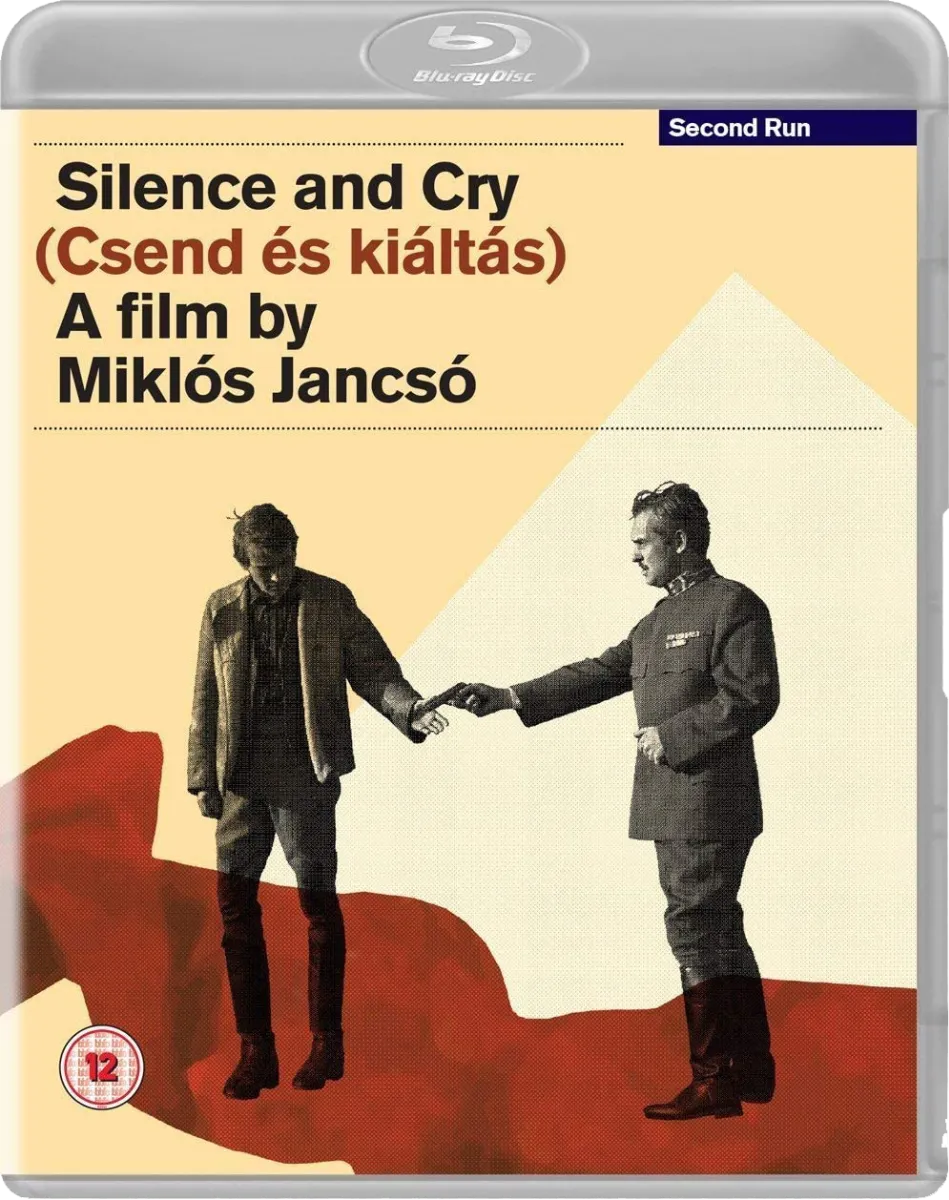
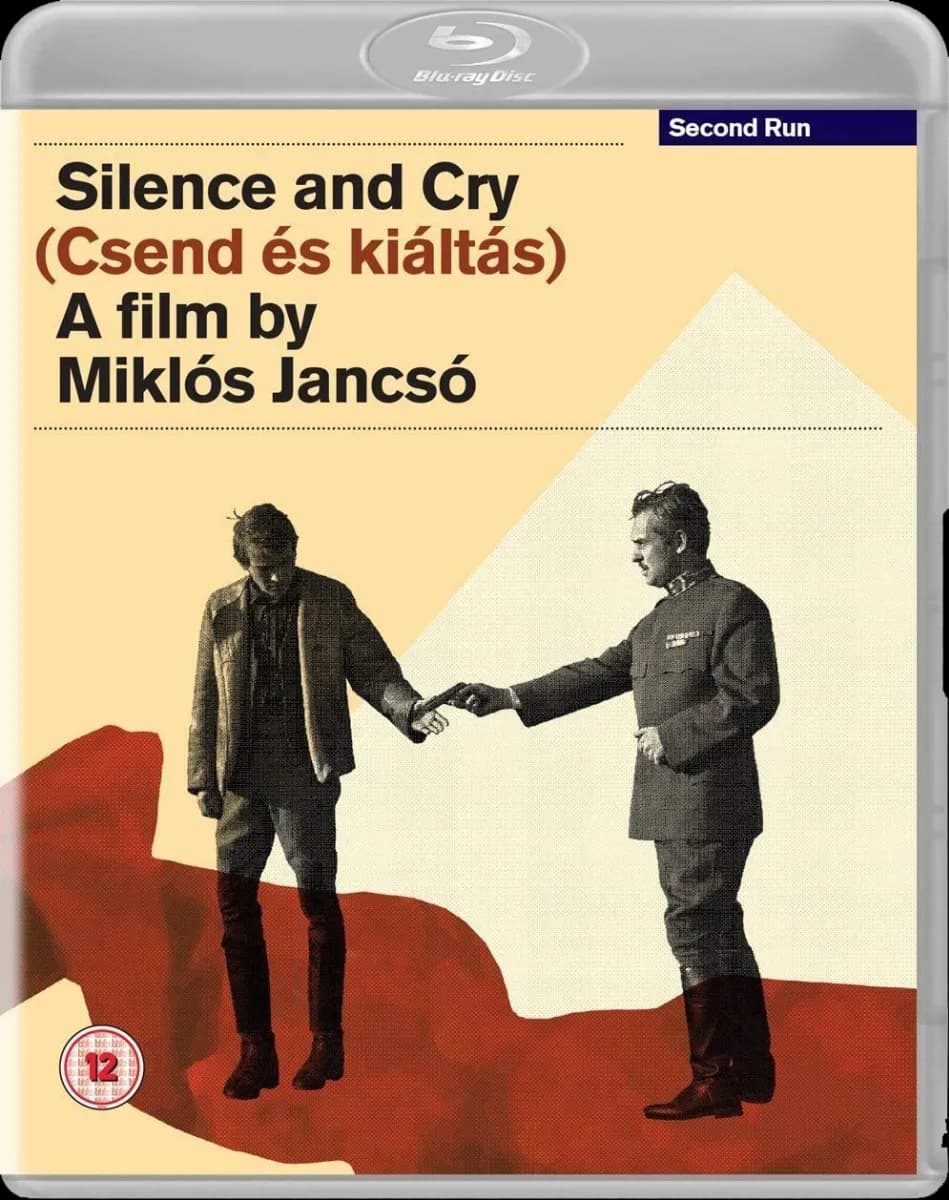
About this release
Presented from a new HD re-master and transfer of the film from original materials, under the supervision of the film’s cinematographer János Kende. An elliptical, claustrophobic drama shot in the brilliant, breathtaking long takes that are Miklos Jancsó’s trademark, Silence and Cry is set after the fall of the short-lived Hungarian Soviet Republic of 1919. A young soldier, fleeing the anti-Communist manhunt, takes refuge at the isolated farm of a peasant family, who are already under police scrutiny. The final part of an epic unofficial trilogy, following The Round-Up and The Red and the White, the film explores the cruel mechanics of oppression and resistance within the family, and how they echo the political turmoil that rages outside. The brutal beauty of Silence and Cry reveals the terrible impact of tyrannical power, politics and history.
Disc 1
BD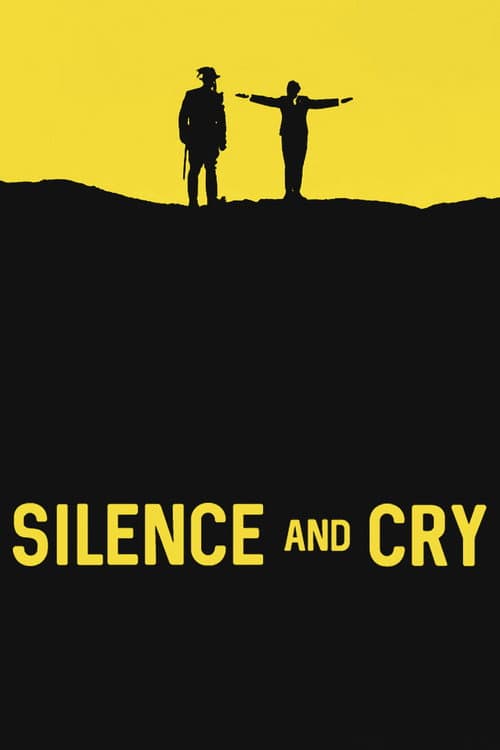
Silence and Cry (1968)
72 min
Drama
Set during a turbulent era of disquiet, fear, persecution and terror, which permeates every corner of post-WWI Hungarian society. In 1919, after just a few months of communist rule the Hungarian Republic of Councils falls victim to a nationalist counter-revolution. Admiral Horthy, leader of the nationalist far right movement, becomes the self-proclaimed regent of Hungary, and assumes power as the legal Head of State. Soldiers of the short-lived Hungarian Red Army are now on the run from relentless secret policemen and patrol units of the nationalist Royal Gendarme. If caught, ex-Red Army soldiers are executed without mercy or proper trial. István Cserzi, a former soldier of the Red Army has fled to the Great Hungarian Plains and has taken refuge on a farm, which is run by two sympathetic women.
Credits
Director
Miklós Jancsó
Writer
Gyula Hernádi
Miklós Jancsó
Cast
Mari Törőcsikas Teréz
Zoltán Latinovitsas Kémeri
József Madarasas Károly
Andrea Drahotaas Anna
András Kozákas István
István Bujtoras Kovács II.
Ida Siménfalvyas Teréz' mother
János Koltaias Peasant
Sándor Siménfalvyas Old Peasant
Kornélia Sallayas Auntie Veronika
Cinematographer
János Kende
Editor
Zoltán Farkas
Images
Release Details
- Packaging
- Blu-ray Case
Catalogue Info
- Added by
- Matthew Simpson
- Date added
- July 24, 2026