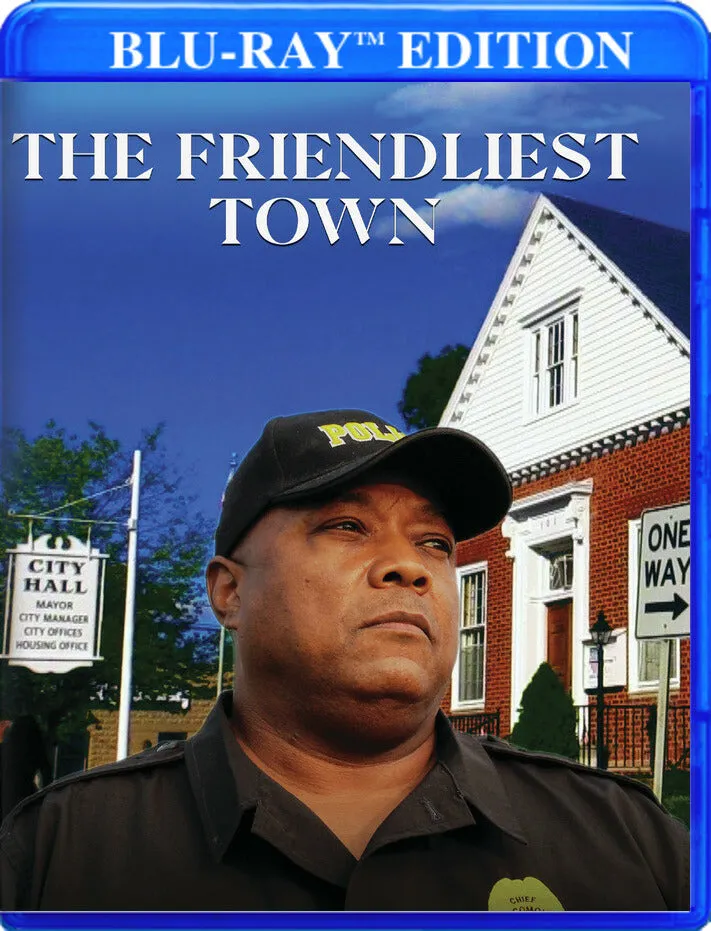
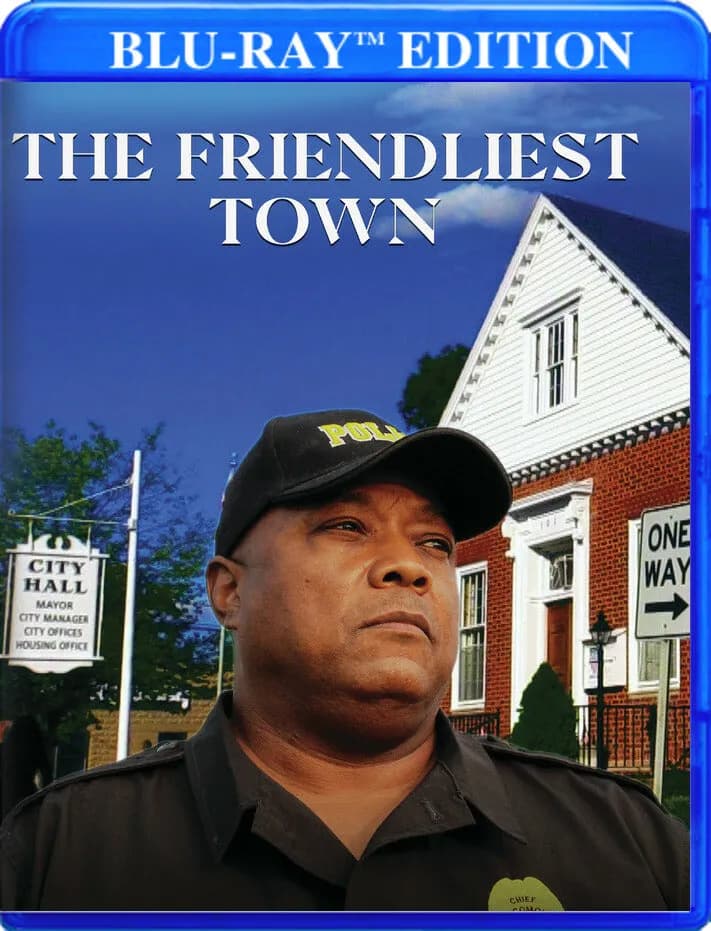
About this release
The first black police chief of a small racially divided town lowered crime with community style policing. But after he was abruptly fired, the battle over why he was let go raised the consciousness of the town's black population
Where to buy
As an Amazon Associate and eBay Partner Network member, FilmShelves earns from qualifying purchases. These links may earn us a commission at no extra cost to you.
Disc 1
BD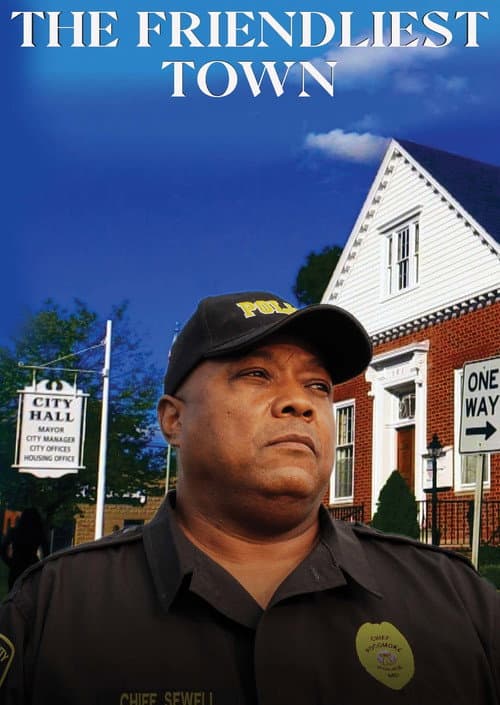
The Friendliest Town (2021)
77 min
Documentary
In 2011, Pocomoke City a small town on Maryland's Lower Eastern Shore hired Kelvin Sewell, its first African-American police chief. Sewell, a former Baltimore city homicide investigator and narcotics officer had grown tired of the aggressive tactics used by the Baltimore Police Department...particularly those targeting black communities. Determined to deploy a different approach to law enforcement, Sewell implemented an intensive community policing plan. He and his officers parked their cars and walked the streets. Sewell's system worked: crime plummeted. Residents both black and white became ardent supporters of Sewell's new paradigm of policing. But a conflict was brewing; an ongoing dispute over racial discrimination engulfed Sewell and his officers in a battle that would not only cost them their jobs and professional reputations, but would thrust them into an emotional legal battle that would touch all segments of the community.
Credits
Director
Stephen Janis
Cast
Kelvin Sewellas Self
Stephen Janisas Self
Diane Downingas Self
Disc 2
DVDThe Friendliest Town (2021)
77 min
Documentary
In 2011, Pocomoke City a small town on Maryland's Lower Eastern Shore hired Kelvin Sewell, its first African-American police chief. Sewell, a former Baltimore city homicide investigator and narcotics officer had grown tired of the aggressive tactics used by the Baltimore Police Department...particularly those targeting black communities. Determined to deploy a different approach to law enforcement, Sewell implemented an intensive community policing plan. He and his officers parked their cars and walked the streets. Sewell's system worked: crime plummeted. Residents both black and white became ardent supporters of Sewell's new paradigm of policing. But a conflict was brewing; an ongoing dispute over racial discrimination engulfed Sewell and his officers in a battle that would not only cost them their jobs and professional reputations, but would thrust them into an emotional legal battle that would touch all segments of the community.
Credits
Director
Stephen Janis
Cast
Kelvin Sewellas Self
Stephen Janisas Self
Diane Downingas Self
Release Details
- Packaging
- Blu-ray Case
Images
Catalogue Info
- Added by
- Matthew Simpson
- Date added
- August 17, 2026