Cookies on FilmShelves
We use essential cookies to keep the site working. With your permission we also use analytics cookies (so we can fix what's broken) and advertising cookies (so the ads you see are more relevant). Read our privacy policy.
You'll still see ads on the free tier — rejecting just means they won't be personalised.

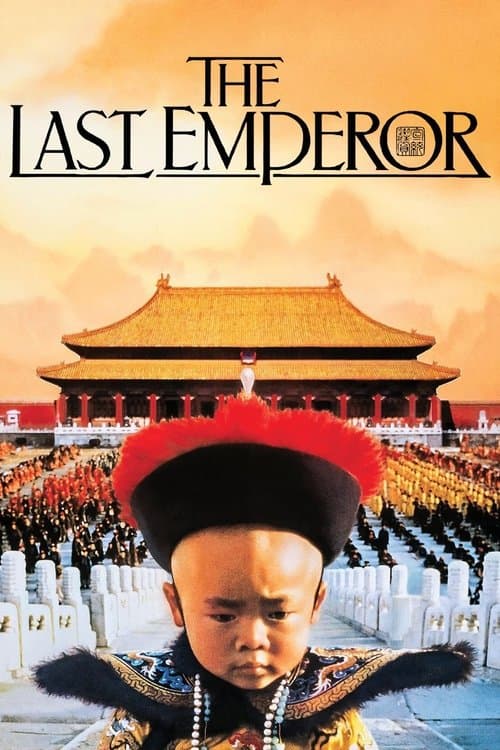
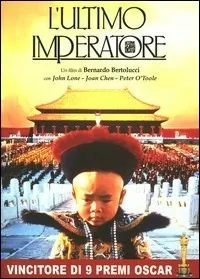
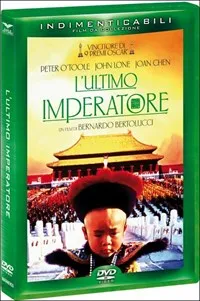
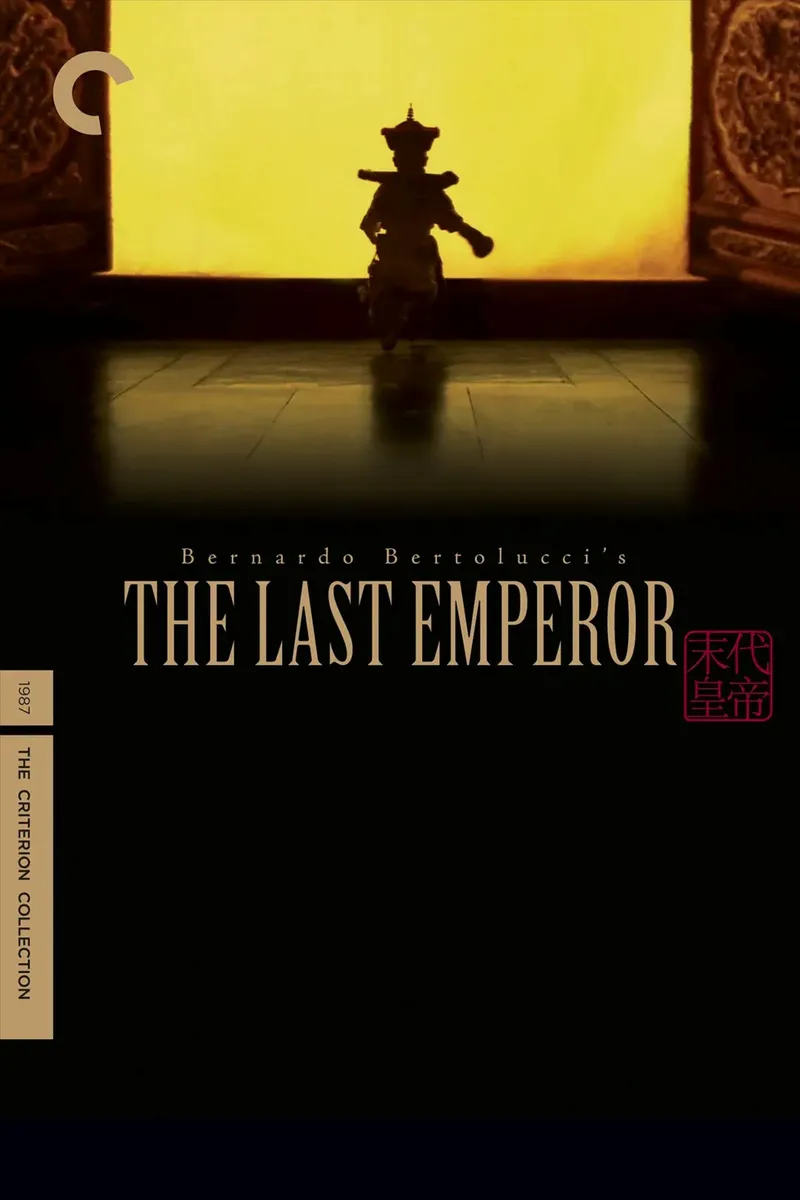
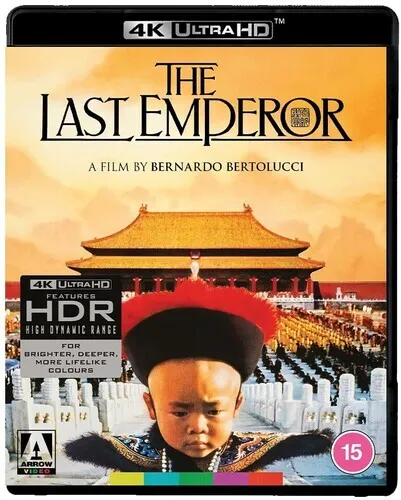
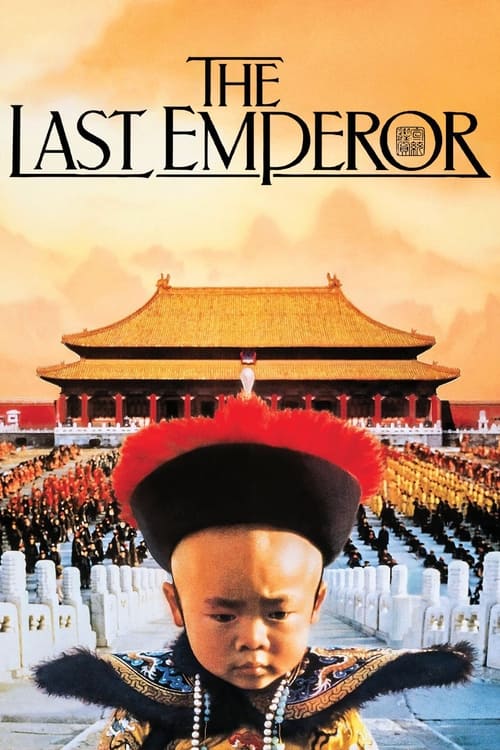
"The Last Emperor is the true story of Aisin-Gioro Pu Yi, the last ruler of the Chinese Ching Dynasty. Told in flashback, the film covers the years 1908 to 1967. We first see the three-year-old Pu Yi being installed in the Forbidden City by ruthless, dying dowager Empress Tzu-Hsui (Lisa Lu). Though he'd prefer to lark about like other boys, the infant emperor is cossetted and cajoled into accepting the responsibilities and privileges of his office. In 1912, the young emperor (Tijer Tsou) forced to abdicate when China is declared a republic, is a prisoner in his own palace, ""protected"" from the outside world. Fascinated by the worldliness of his Scottish tutor (Peter O'Toole), Pu Yi plots an escape from his cocoon by means of marriage. He selects Manchu descendant Wan Jung (Joan Chen), who likewise is anxious to experience the 20th century rather than be locked into the past by tradition. Played as an adult by John Lone, Pu Yi puts into effect several social reforms, and also clears the palace of the corrupt eunuchs who've been shielding him from life. In 1924, an invading warlord expels the denizens of the Forbidden City, allowing Pu Yi to ""westernize"" himself by embracing popular music and the latest dances as a guest of the Japanese Concession in Tientsin. Six years later, his power all but gone, Pu Yi escapes to Manchuria, where he unwittingly becomes a political pawn for the now-militant Japanese government. Humiliating his faithful wife, Pu Yi falls into bad romantic company, carrying on affairs with a variety of parasitic females. During World War II, the Japanese force Pu Yi to sign a series of documents which endorse their despotic military activities. At war's end, the emperor is taken prisoner by the Russians; while incarcerated, he is forced to fend for himself without servants at his beck and call for the first time. He is finally released in 1959 and displayed publicly as proof of the efficacy of Communist re-education. We last see him in 1967, the year of his death; now employed by the State as a gardener, Pu Yi makes one last visit to the Forbidden City...as a tourist. Bernardo Bertolucci's first film after a six-year self-imposed exile, The Last Emperor was released in two separate versions: the 160-minute theatrical release, and a 4-hour TV miniseries. Lensed on location, the film won nine Academy Awards, including Best Picture and Best Director."
As an Amazon Associate and eBay Partner Network member, FilmShelves earns from qualifying purchases. These links may earn us a commission at no extra cost to you.

The Last Emperor (1987)
163 min
A dramatic history of Pu Yi, the last of the Emperors of China, from his lofty birth and brief reign in the Forbidden City, the object of worship by half a billion people; through his abdication, his decline and dissolute lifestyle; his exploitation by the invading Japanese, and finally to his obscure existence as just another peasant worker in the People's Republic.