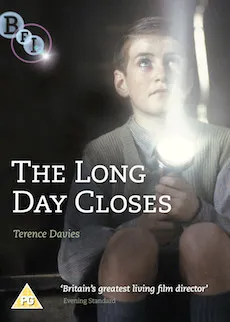
About this release
Terence Davies's follow-up to Distant Voices, Still Lives extends his autobiographical memoirs into the 1950s Terence Davies's follow-up to Distant Voices, Still Lives extends his autobiographical memoirs into the 50s. Following his prize-winning debut feature film Distant Voices, Still Lives (1988), in 1992 Terence Davies made The Long Day Closes. Terence Davies's lyrical hymn to childhood revisits the same territory as Distant Voices..., this time focusing on his own memories of growing up in a working-class Catholic family in Liverpool. Eleven-year-old Bud (a heartbreaking performance from Leigh McCormack) finds escape from the greyness of 50s Britain through trips to the cinema and in the warmth of family life. But as he gets older, the agonies of the adult world; the casual cruelty of bullying, the tyranny of school and the dread of religion, begin to invade his life. Time and memory blend and blur through Davies's fluid camerawork; slow tracking shots, pans and dreamlike dissolves combine to create the world of Bud's imagination and the lost paradise of his childhood.
Disc 1
DVD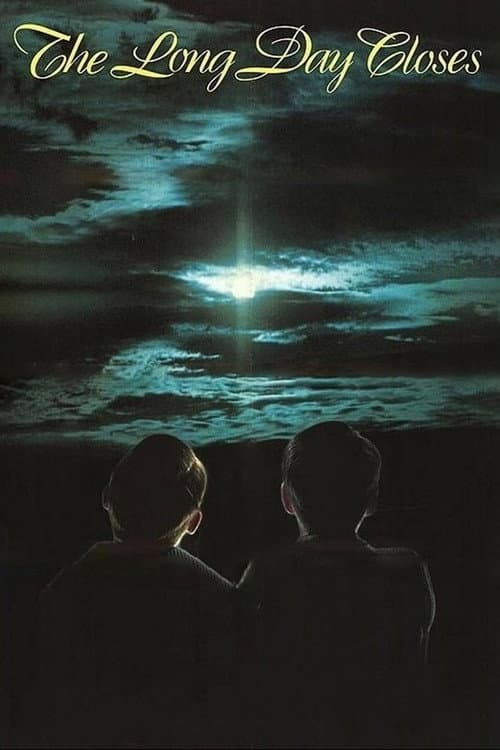
The Long Day Closes (1992)
85 min
Drama
Bud is a lonely and quiet boy whose moments of solace occur when he sits in rapture at the local cinema, watching towering and iconic figures on the movie screen. The movies give Bud the strength to get through another day as he deals with his oppressive school environment and his burgeoning homosexuality.
Credits
Director
Terence Davies
Writer
Terence Davies
Cast
Leigh McCormackas Bud
Marjorie Yatesas Mother
Anthony Watsonas Kevin
Nicholas Lamontas John
Ayse Owensas Helen
Tina Maloneas Edna
Jimmy Wildeas Curly
Robin Polleyas Mr Nicholls
Peter Ivattsas Mr Bushell
Joy Blakemanas Frances
Cinematographer
Michael Coulter
Editor
William Diver
Producer
Olivia Stewart
Images
Release Details
- Packaging
- Keep Case
Catalogue Info
- Added by
- Matthew Simpson
- Date added
- July 24, 2026