About this release
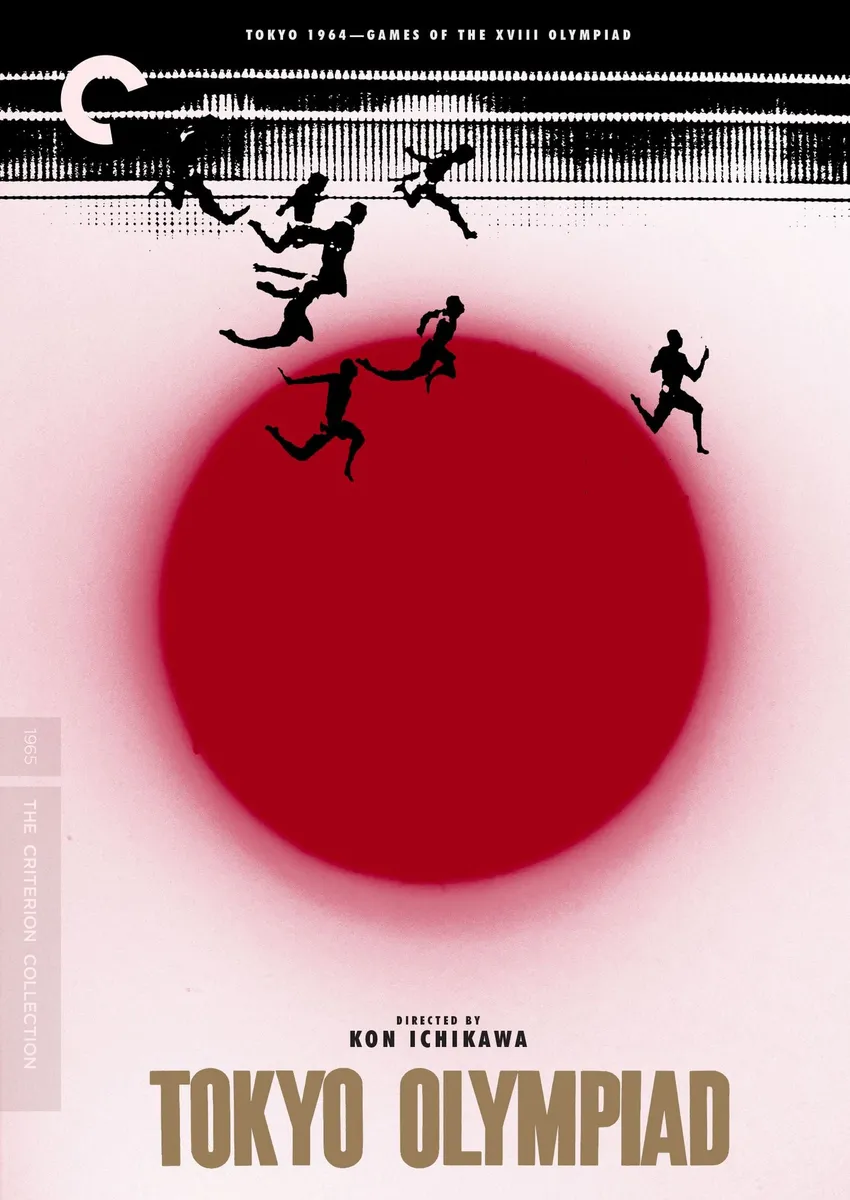
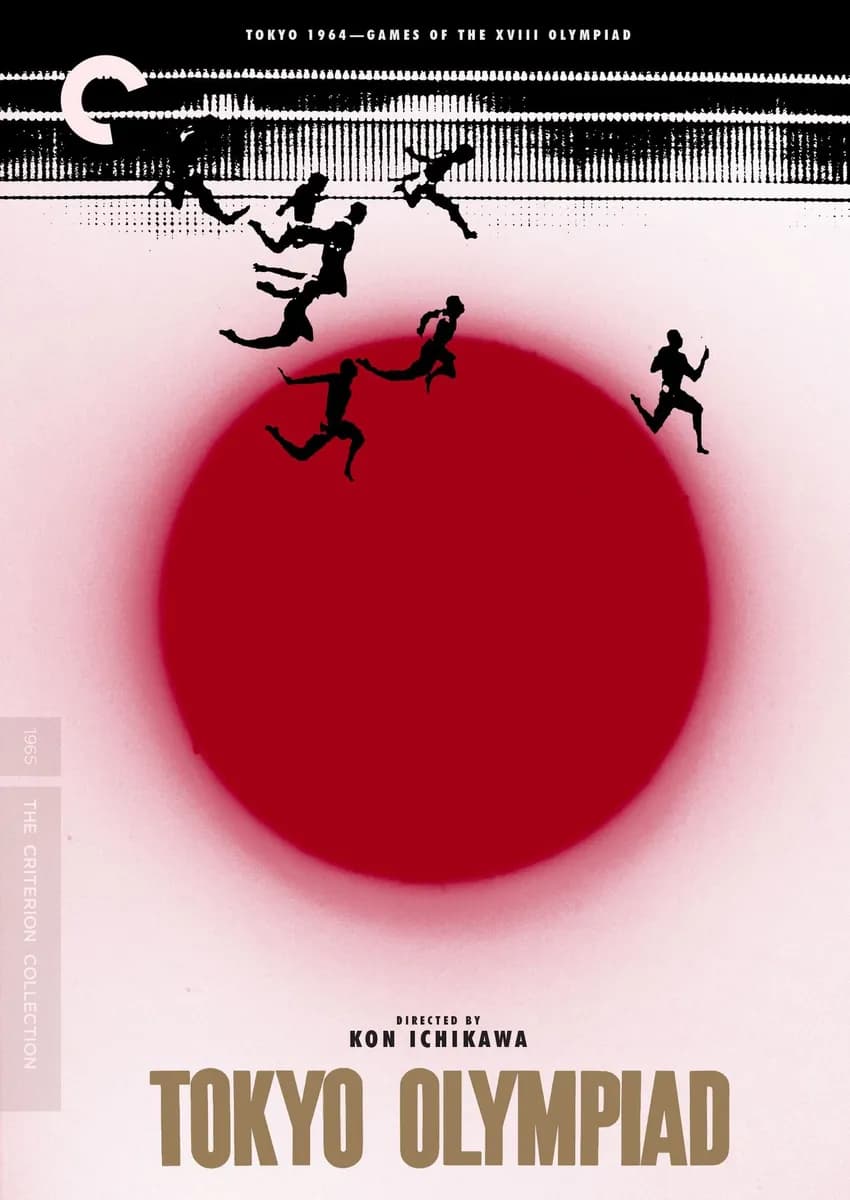
"The 18th Olympiad was the first Games event held in Asia; Tokyo had been scheduled to host in 1940, but that Olympiad was canceled because of the war. Japan was determined not only to be a good host, but also to provide a record of the games to rival that of Leni Riefenstahl's legendary Olympia. Respected filmmaker Kon Ichikawa (The Harp of Burma, Fires on the Plain) and an army of technicians recorded the games in widescreen images, the most striking occurring near the beginning of the film, as a runner with the Olympic torch is shown in long shot with the sunlit Mt. Fuji in the background. Ichikawa offers stylistic touches to emphasize certain aspects of the athletes' struggle to achieve: slow-motion, amplified sound, extreme close-ups, and still photos in black-and-white. The chronological coverage, which reveals that many days of competition were hampered by rain, includes a wide variety of sports, from track and field events to gymnastics, weightlifting, wrestling, boxing, fencing, judo, shooting, cycling, equestrian events, soccer, field hockey, volleyball, canoeing, rowing, sailing, walking, and the pentathlon. Spectators cheer enthusiastically for their country's athletes, and there is one memorable shot of the press room, with hundreds of typewriters clattering away. Ichikawa devotes the film's longest segment to the final event, the marathon. Abebe Bikila of Ethiopia, a relentless runner whose technique is examined in slow motion, won the gold, pulling away from the competition with apparent ease. The coverage is balanced; when a Japanese athlete wins a medal, it's noted but not dwelled upon. Originally released at nearly three hours, Tokyo Olympiad was shamelessly edited for U.S. release to half that length, with insipid narration added. Fortunately, a restored version was made available in 1984. It's important to see the film in its widescreen version, as several of the shorter track events were filmed head-on to include all of the runners on the track."
Where to buy
As an Amazon Associate and eBay Partner Network member, FilmShelves earns from qualifying purchases. These links may earn us a commission at no extra cost to you.
Disc 1
DVD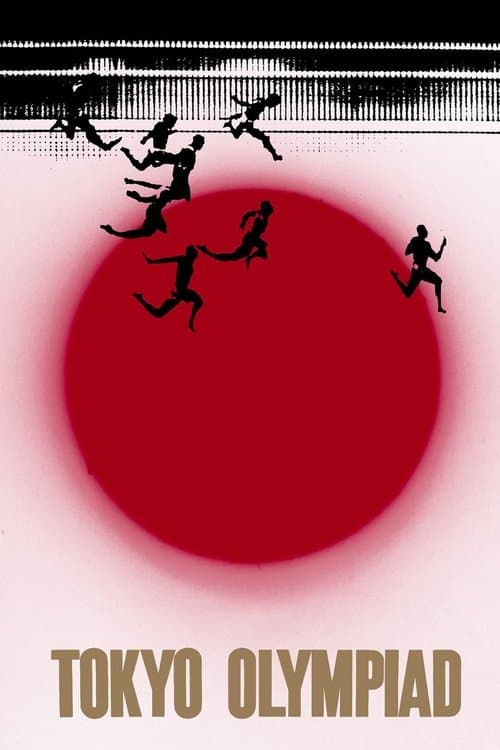
Tokyo Olympiad (1965)
170 min
Documentary
This impressionistic portrait of the 1964 Tokyo Summer Olympics pays as much attention to the crowds and workers as it does to the actual competitive events. Highlights include an epic pole-vaulting match between West Germany and America, and the final marathon race through Tokyo's streets. Two athletes are highlighted: Ethiopian marathon runner Abebe Bikila, who receives his second gold medal, and runner Ahamed Isa from Chad, representing a country younger than he is.
Credits
Director
Kon Ichikawa
Writer
Natto Wada
Shuntaro Tanikawa
Kon Ichikawa
Yoshio Shirasaka
Cast
Abebe Bikilaas Self
Ahmed Issaas Self
Yoshinori Sakaias Self
Joe Frazieras Self
Emperor Hirohito of Japanas Self
Cinematographer
Shigeichi Nagano
Shigeo Murata
Kazuo Miyagawa
Tadashi Tanaka
Kenji Nakamura
Composer
Toshirō Mayuzumi
Editor
Tatsuji Nakashizu
Producer
Taguchi Suketaro
Images
Release Details
- Packaging
- Keep Case
Catalogue Info
- Added by
- Matthew Simpson
- Date added
- June 15, 2026