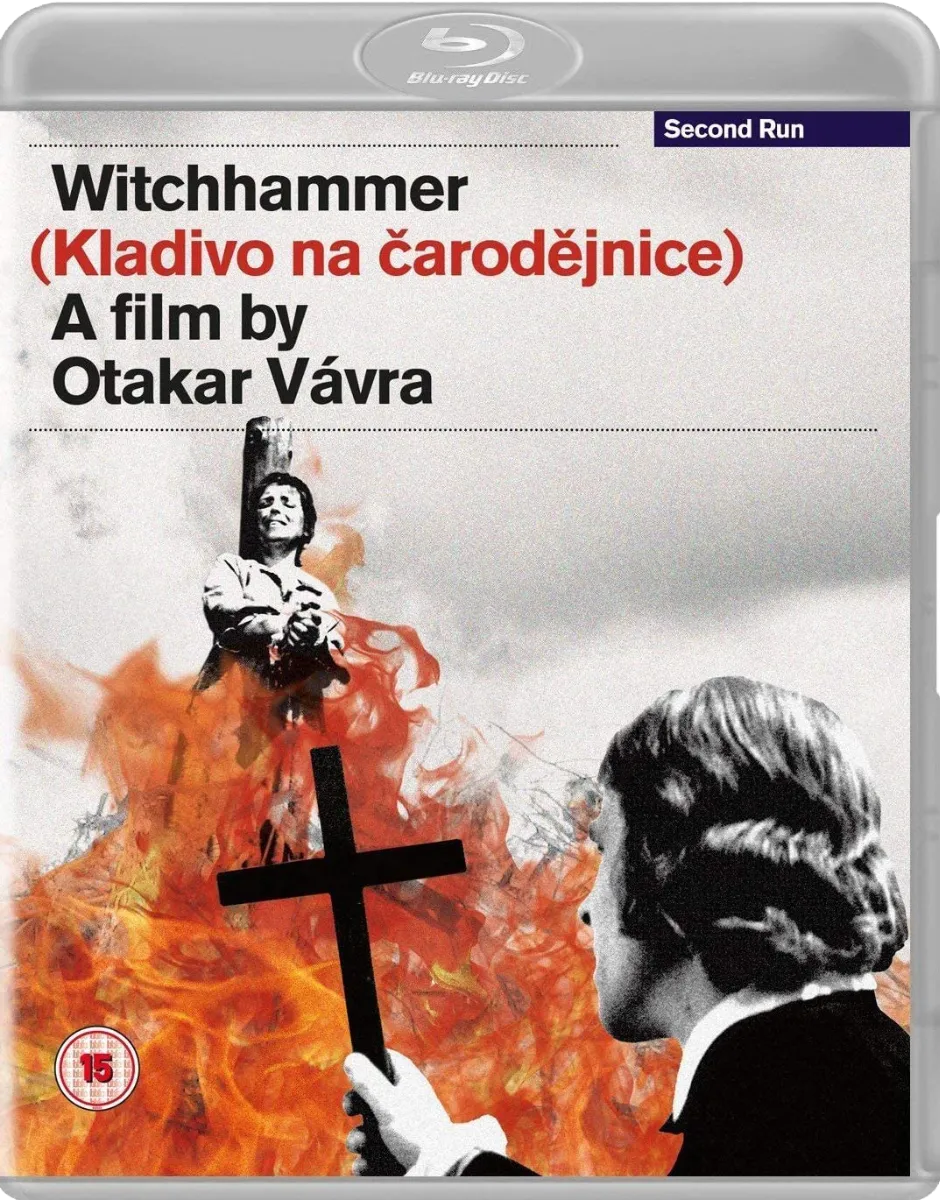
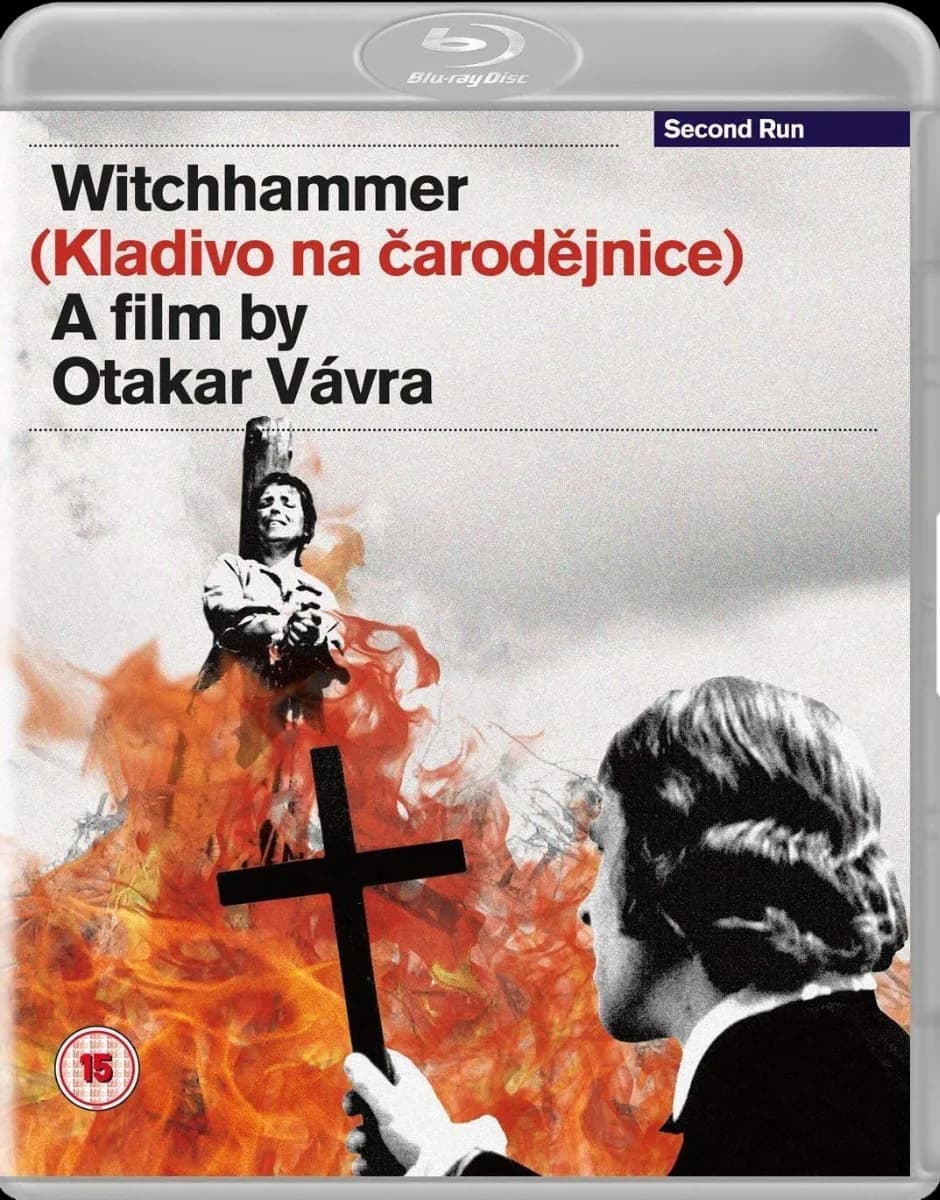
About this release
Presented from a new HD re-master and transfer from original materials held by the Czech National Film Archive. Otakar Vávra’s Witchhammer (1969) transforms the horrific tale of a notorious 17th Century witch trial into a powerful allegory of life under totalitarian rule. In a small Czech village, an investigation into a simple superstition quickly becomes a full-blown Inquisition, unleashing a tide of hysteria and cruelty. The script, co-written by Ester Krumbachová (Daisies, Valerie and Her Week of Wonders), draws on original court transcripts and forced confessions, revealing the malevolence of the Inquisitors who exorcise their own greed and lust through gruesome torture and execution. The beautiful, stark cinematography echoes Bergman, Dreyer and František Vlácil, and finds literary antecedents in Arthur Miller’s The Crucible and Aldous Huxley’s The Devils of Loudon. Like Ken Russell's controversial, expressionistic adaptation of Huxley’s text, The Devils (1971) and other films of the period such as Michael Reeves' Witchfinder General (1968), Witchhammer transcends horror to create a chilling political fable, revealing power to be the ultimate weapon of evil.
Disc 1
BD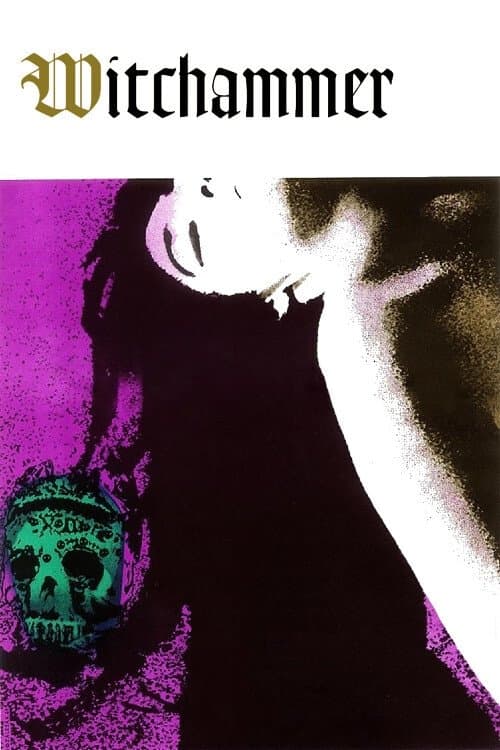
Witchhammer (1970)
107 min
ThrillerDrama
In the 1600s, an overzealous clergy hauls innocent women in front of tribunals, forces them to confess to imaginary witchery, and engages in brutal torture and persecution of their subjects.
Credits
Director
Otakar Vávra
Writer
Otakar Vávra
Ester Krumbachová
Cast
Elo Romančíkas Lautner
Vladimír Šmeralas Boblig
Soňa Valentováas Zuzana
Josef Kemras Ignác
Lola Skrbkováas Maryna
Jiřina Štěpničkováas Dorota Groerová
Marie Nademlejnskáas Davidka
Miriam Kantorkováas Tobiásová
Lubor Tokošas Sattler
Blažena Holišováas Sattlerová
Cinematographer
Josef Illík
Composer
Jiří Srnka
Editor
Antonín Zelenka
Images
Release Details
- Packaging
- Blu-ray Case
Catalogue Info
- Added by
- Matthew Simpson
- Date added
- July 24, 2026